

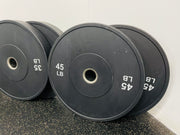
Barbells
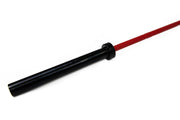

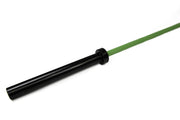

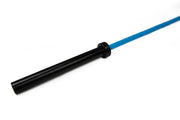


Uplift Equipment
New



















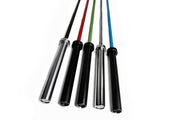



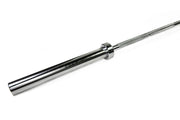

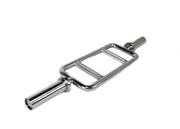

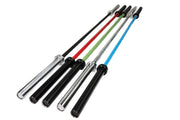
Bells and Barbells: Core Strength Tools for Every Gym
Barbells are the foundation of strength training. Whether you are building a home gym, outfitting a commercial facility, or expanding a personal training space, having high-quality barbells allows for effective, progressive strength work. From squats and deadlifts to presses and rows, barbells provide a versatile platform for building muscle, improving stability, and increasing overall strength.
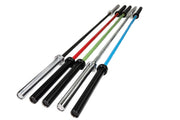
At Uplift Equipment, our collection of barbells and related strength accessories offers durable, reliable tools that support long-term training goals. These barbells work well with racks, benches, platforms, and free weight stations to create a complete strength environment.
Why Barbells Are Essential in Strength Training
Barbells remain one of the most efficient ways to develop power and functional strength. Unlike machines that guide motion, barbells let the lifter control the bar path, engage stabilizing muscles, and practice coordinated movement patterns. This results in greater muscular engagement, better core strength, and more transferable performance benefits.
Key advantages of incorporating barbells into a training routine include:
Improved compound lift performance
Increased muscle recruitment
Enhanced core and postural strength
Better coordination and balance
Scalable resistance for all experience levels
Both beginners and advanced lifters can benefit from properly selected barbells that match their lifting style and goals.
Types of Barbells and How They Support Training
Olympic Barbells
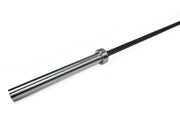
Olympic barbells are the standard for weightlifting, powerlifting, and general strength training. Designed to handle heavy loads and repeated use, they feature revolving sleeves that support dynamic movements such as cleans, snatches, and jerks.
Powerlifting Barbells
These barbells are typically stiffer than Olympic bars, which reduces whip and provides stability during heavy squats, bench presses, and deadlifts. Powerlifting barbells are ideal for lifters focused on raw strength and max efforts.
Technique and Training Barbells
Technique barbells are often lighter and designed for beginners or athletes learning new movements. They allow for focused practice of form before adding heavy plates.
Specialty Barbells
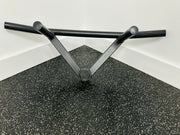
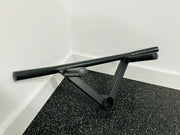
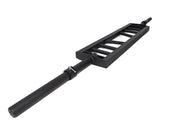
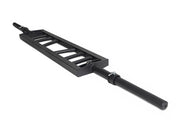
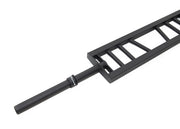
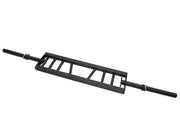
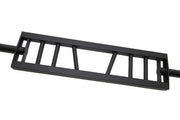
Some bars are designed for specific purposes — such as high-handle deadlift bars, cambered bars for bench pressing, or multi-grip bars that reduce stress on shoulders and wrists. Specialty bars expand exercise variety and support targeted strength development.
Pairing Barbells With Other Equipment
Barbells become even more effective when used with complementary strength pieces:
Adjustable Benches
A bench lets you perform presses, rows, and seated lifts that broaden your training variety.
Power Racks and Squat Stands
Using barbells within a rack system ensures safety and allows for heavier lifts with adjustable safety catches and support hooks.
Weight Plates
Pair your bar with quality plates that fit securely and distribute weight evenly. This ensures safe loading and balanced lifts across exercises.
Collars and Clips
Secure collars keep plates locked in place during dynamic movement, preventing imbalance and improving confidence during lifts.
Combining barbells with intelligent accessories builds a comprehensive strength area that supports progressive training.
Selecting the Right Barbells for Your Gym
When choosing barbells, consider these core factors:
Diameter and Knurling
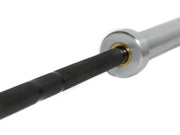
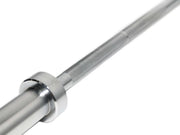
The bar diameter affects grip feel and control. Knurling — the texture etched into the bar — influences traction and comfort. A bar that matches your grip preference improves handling during heavy lifts.
Load Capacity
Different barbells have different weight ratings. Commercial barbells typically support higher loads and frequent use, whereas home gym barbells may focus on a balance between capacity and usability.
Whip and Bend
Whip refers to how much a bar bends under load. Olympic lifters often prefer more whip for dynamic movements, while powerlifters may prefer a stiffer bar.
Sleeve Rotation
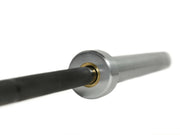
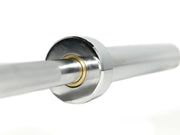
Good sleeve rotation reduces stress on wrists and elbows during dynamic lifts. Bearings or bushings help optimize rotation for complex movements like Olympic lifts.
Matching barbells to your training goals ensures a more productive gym experience and better long-term results.
Barbells for Home and Commercial Facilities
In home gyms, barbells offer enormous value because they support many of the foundational lifts without taking up a lot of space. A barbell station can serve as the core of your strength area, expanding through the addition of plates, benches, and racks.
In commercial gyms, barbells must endure heavy daily use. Durable construction, high quality steel, and secure machining make the difference between bars that perform consistently and those that wear prematurely.
At Uplift Equipment, we offer options suitable for both home gym setups and busy commercial environments, giving you the flexibility to choose the right solution for your needs.
How Barbells Improve Workout Efficiency
Barbells engage multiple muscle groups at once, which makes workouts more time-efficient than isolated machine work. Compound lifts like squats, deadlifts, presses, and rows require coordinated action from legs, core, and upper body. Training with barbells builds strength in real movement patterns that translate to everyday activities and athletic performance.
This efficiency also makes barbells a staple for strength coaches, personal trainers, and serious athletes who want measurable progress with consistent training inputs.
Build Strength With the Right Barbells
Selecting high-quality barbells is an investment in your strength training journey. Whether you are just starting or pushing toward advanced performance goals, the right barbell supports safe, effective progress at every stage.
Explore the range of barbells and barbell accessories at Uplift Equipment to find the ideal fit for your strength goals, space, and training style.