








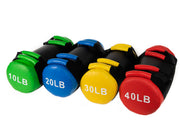

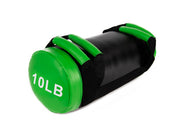

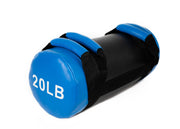

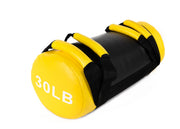

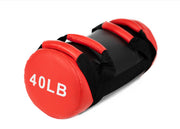

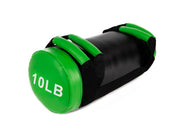

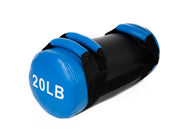

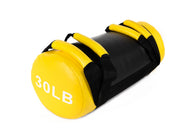

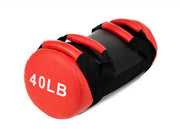

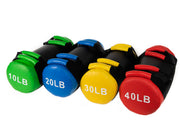

Sandbags for Functional Strength, Conditioning, and Versatile Training
Sandbags are exceptional tools for functional fitness and strength conditioning because they create unstable load patterns that challenge your body in ways traditional weights cannot. Ideal for home gyms, commercial fitness spaces, and athletic training programs, these bags improve power, endurance, balance, and grip strength. At Uplift Equipment, our sandbags are designed for durability, modular loading, and flexibility in a variety of workout formats.
Unlike rigid weights, a sandbag load shifts as you move, forcing more muscles to engage to stabilize the body. This leads to functional strength gains that translate to real-world movement and overall athletic performance.
Why Sandbags Are Effective for Strength and Conditioning
Sandbag training incorporates resistance in dynamic patterns that mimic real life. Because the center of gravity constantly shifts, your body must adapt and recruit additional stabilizing muscles. This makes sandbag work more demanding than static weight training in many aspects.
Some notable benefits include:
Full body engagement and core activation
Improved joint stability and posture
Enhanced grip strength from irregular load distribution
Better balance and proprioception
Functional power that transfers to sport and daily movement
These qualities make sandbags ideal for strength circuits, metabolic conditioning, and functional training routines.
Types of Sandbags and Their Use Cases
Standard Training Sandbags
These bags come with a single main compartment and hold a range of weight loads. They are perfect for lunges, squats, carries, and presses that challenge multiple muscles at once.
Modular Sandbags
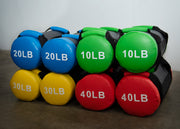
Modular sandbags come with separate weight inserts that make it easy to adjust total load. This design supports progression and versatility, especially for gyms with multiple users at different strength levels.
Heavy Duty Sandbags
Constructed with reinforced stitching and thick materials, these sandbags withstand repeated drops, slams, and outdoor training. They are ideal for commercial settings and intense conditioning sessions.
Soft and Smooth Sandbags
These versions are padded for floor work, Turkish get-ups, and movements where comfort against the body is important. They offer a balance between stability and mobility training.
Each type serves different training styles, from strength building to endurance and explosive power work.
Exercises You Can Do With Sandbags
Sandbags support a wide range of effective movements. Some commonly performed exercises include:
Sandbag Carries
Walking with a loaded bag strengthens the core, legs, and back while building endurance.
Sandbag Thrusters
Combines a squat with a press to train power and coordination from lower to upper body.
Sandbag Deadlifts
Train posterior chain strength with dynamic resistance.
Sandbag Lunges
Target legs, balance, and stability simultaneously.
Sandbag Slams
Great for conditioning and explosive full body power work.
These exercises show how sandbag training supports both strength and metabolic conditioning.
Sandbags for Home Gyms
Home gym users appreciate sandbags because they combine multiple training benefits in one piece of gear. They save space, offer variable resistance, and fit into workouts that include cardio, strength, and functional movement. A well chosen sandbag can replace several tools, especially in compact workout areas.
Sandbags also pair well with mats, pull-up bars, and mobility tools to create complete training sessions at home without overloading the space.
Sandbags in Commercial Fitness Spaces
In commercial gyms and group training facilities, sandbags provide versatile programming for classes, warm-ups, and strength circuits. Their dynamic load requires less equipment switching and supports high-intensity sessions that engage multiple fitness domains.
Trainers often include sandbags in conditioning blocks, functional circuits, and group challenges because they are intuitive to use and scalable by adjusting load or movement speed.
Selecting the Right Sandbag for Your Training
When choosing a sandbag, consider:
Training Goals
If your focus is strength building, heavier bags with higher weight capacity are best. If you want mixed conditioning or mobility, lighter sandbags support a broader range of movement.
Adjustability
Modular sandbags allow easy change of load and are excellent for shared spaces or progressive training.
Durability
Look for reinforced materials, quality stitching, and secure closures to ensure longevity, especially under frequent use.
Comfort and Shape
Some sandbags feature padding or ergonomic handles for movements that require body contact or floor transitions.
Matching the sandbag to your goals ensures safer, more effective workouts.
Pairing Sandbags With Other Equipment
Sandbags work well with other functional training gear:
Resistance Bands
Add tension bands to create variable resistance and emphasize muscle activation.
Jump Ropes and Cardio Tools
Combine strength and cardiovascular movement in circuit training.
Power Racks and Benches
Use sandbag movements before or after barbell work for balanced programming.
Floor Mats and Platforms
Provide stable landing surfaces for dynamic sandbag drills.
Combining sandbags with other tools helps build versatile, engaging training routines.
Build Strength and Functional Fitness With Sandbags
Sandbags are more than simple weights. They challenge the body to adapt to shifting resistance, improve functional strength, and enhance coordination and endurance. Whether you are a beginner or advanced athlete, sandbag training adds depth to your workouts and supports balanced strength development.
Explore the selection of sandbags at Uplift Equipment to find the right tools for your training space, goals, and lifestyle. With thoughtful design and durable construction, these sandbags help you train smarter, move better, and build real strength.